Solutions · Applications
Pet Care
Connect a pet wearable to a gateway or application, with positioning, sensing and communication designed around how the device is worn and used.
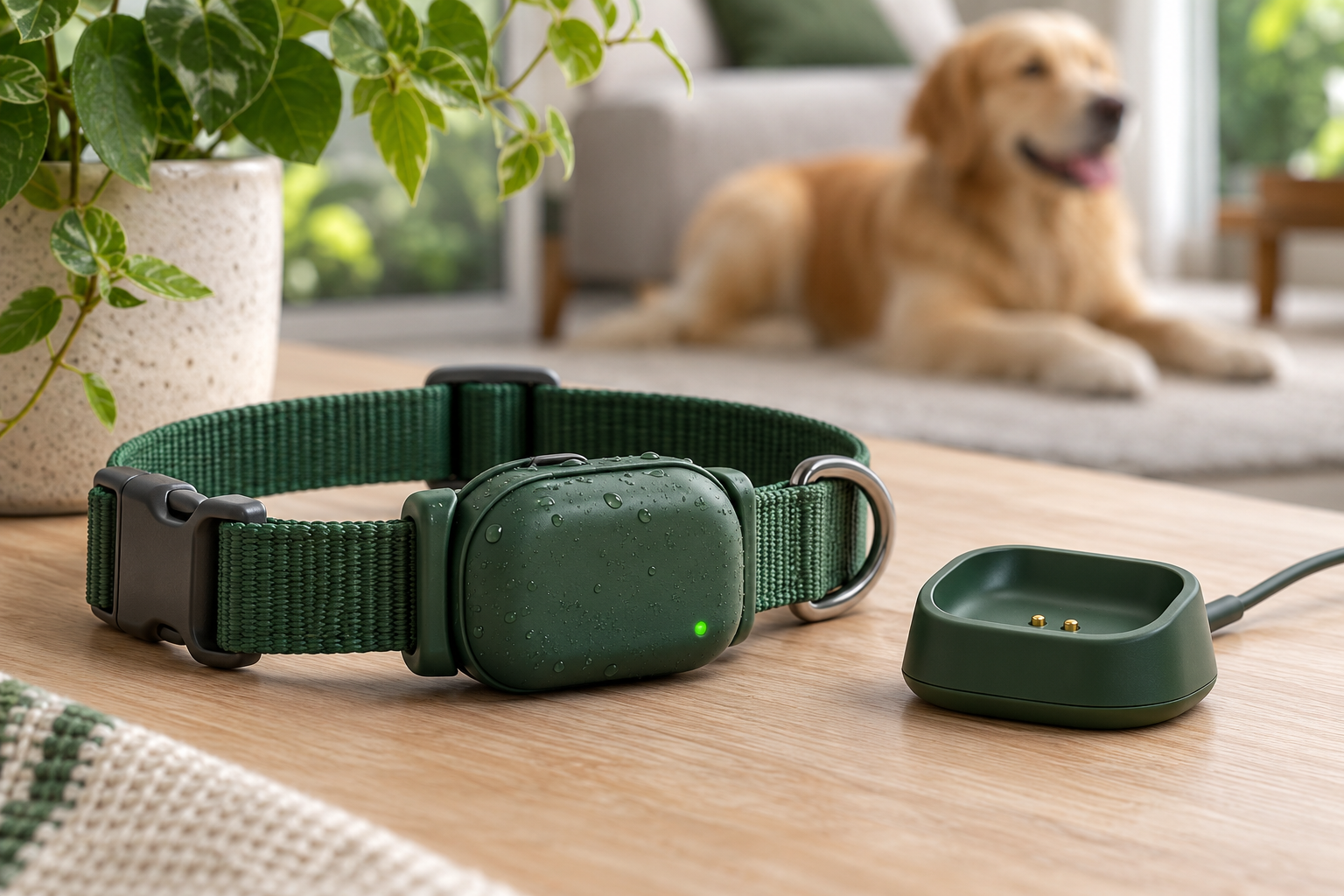

Image 1 / 2
Common problems
The problem to solve.
Pet tracking devices must fit within tight size and energy constraints while providing useful location and activity data. Positioning frequency, communication behavior, antenna placement and the enclosure affect the design together. A configuration that works on a development board still needs validation in its final wearable form.
Bambootronics supports hardware, firmware and data-interface development for connected pet-care devices. The architecture starts with the intended use: what needs to be tracked, where the device operates and how data reaches the user. BLE can connect the wearable to a nearby gateway or compatible application, while GNSS can provide positioning data. Remote tracking beyond BLE coverage requires a separate communication path, defined within the project scope. Prototype testing helps evaluate the balance between functionality, wearability and battery use before pilot production.
Core capabilities
What the engineering team does.
- 01
Location tracking
Select positioning and data-transfer methods for the intended operating environment
- 02
Activity monitoring
Integrate sensing and firmware around the activity data required by the product
- 03
Wearable integration
Coordinate PCB, battery and antenna placement with the enclosure and attachment method
- 04
Energy management
Balance sensing, positioning and communication intervals against battery requirements
- 05
Application connectivity
Define device data, BLE behavior and interfaces for the receiving system
- 06
Prototype validation
Evaluate the integrated device during movement, connection loss and representative use
What you get
- Device architecture and connectivity proposal
- Hardware configuration covering sensing, positioning, power and antenna integration
- Firmware for data acquisition and communication within the agreed scope
- Device protocol documentation and integration instructions
- Prototype and test plan covering size, power consumption and connectivity
- Validation results and recommendations for pilot development
Information
- Device format
- Wearable module integrated into a project-specific enclosure and attachment
- Positioning
- GNSS according to the application requirements
- Local connectivity
- BLE to a compatible gateway or application
- Remote data transfer
- Separate communication path required beyond BLE coverage
- Activity sensing
- Sensor selection and data processing defined by the required functions
- Power management
- Sensing, positioning and transmission intervals configured for the usage profile
- Mechanical requirements
- Size, weight, attachment and environmental protection defined for each product
- Integration
- Data protocol and gateway or application responsibilities agreed within scope
Delivery process
Next steps.
- 1
Define the target pet, wearing position, operating environment and tracking functions
- 2
Set size, battery-use and data-update requirements
- 3
Select the sensing, positioning, connectivity and power architecture
- 4
Develop a prototype and integrate it with the receiving gateway or application
- 5
Test representative use, refine the design and prepare the pilot scope
Before you start
Frequently asked questions.
Right for your project?
Send a few lines about your application and quantity. Bambootronics replies with clarifying questions and a suitable configuration direction.