Solutions · Applications
Healthcare
Bring sensing, embedded processing and user interfaces into a coordinated device architecture built around the intended use and required data.

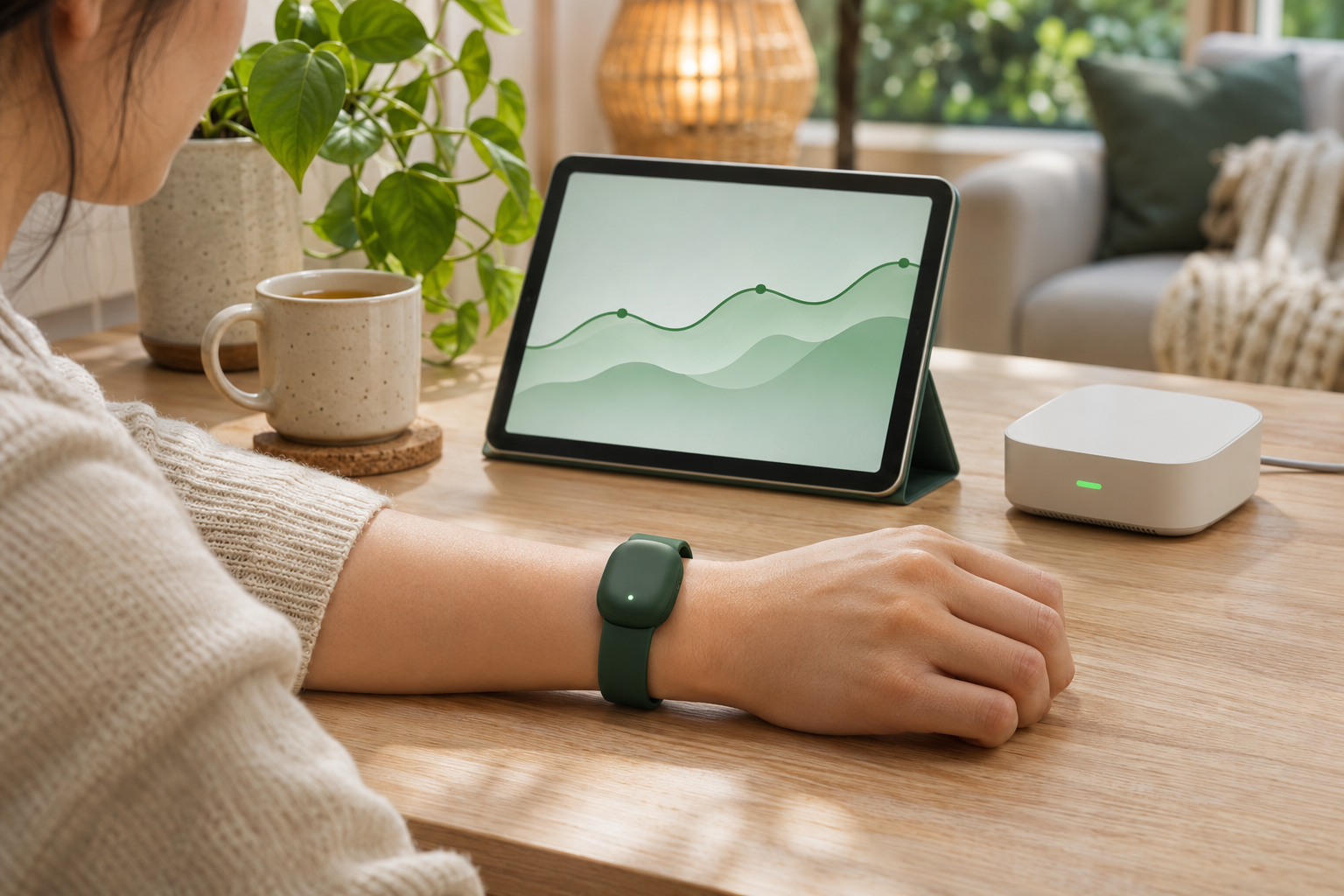
Image 1 / 2
Common problems
The problem to solve.
A sensor or development board alone does not provide a complete healthcare device. Signal acquisition, processing, power consumption, physical integration and user interaction need to work together. The intended use and acceptance criteria must be defined before prototype results can support product-level claims.
Bambootronics supports hardware, firmware and interface development for custom healthcare-related devices. Projects start by defining the user, operating context, required sensor data and how that data will be presented or transferred. The engineering scope can cover sensor integration, embedded processing, power management and interfaces with a display or customer application. Prototypes provide a basis for technical evaluation and refinement. Clinical functions, medical claims and certification activities require a separately defined scope.
Core capabilities
What the engineering team does.
- 01
Sensor integration
Select interfaces and signal-acquisition methods around the required data
- 02
Embedded processing
Implement data handling and device behavior within the agreed firmware scope
- 03
Wearable design
Coordinate electronics, power and mechanical constraints around the intended wearing position
- 04
User interfaces
Present device information and controls according to the operating workflow
- 05
System integration
Define data formats and interfaces for the receiving application
- 06
Prototype evaluation
Test technical performance against agreed conditions and acceptance criteria
What you get
- Functional requirements and system architecture documentation
- Sensor-interface, processing and power hardware within the agreed scope
- Firmware and user-interface implementation as specified
- Data protocol documentation and integration instructions
- Prototypes with agreed technical test results
- Source files, build instructions and usage rights as defined in the contract
Information
- System architecture
- Sensors / wearables → embedded processing → user interface / data
- Device format
- Wearable or custom device according to the intended use
- Sensing
- Sensor types and signal requirements defined for each application
- Processing
- Embedded hardware and firmware selected for the required functions
- User interface
- Display or application integration within the agreed scope
- Power
- Supply architecture and operating cycle defined for the device
- Verification
- Technical test conditions and acceptance criteria agreed before evaluation
- Medical functionality
- Intended claims and validation responsibilities defined separately
Delivery process
Next steps.
- 1
Define the intended use, target users and functional boundaries
- 2
Specify sensor data, user interactions and technical acceptance criteria
- 3
Select the hardware, firmware and interface architecture
- 4
Build prototypes and test signal acquisition, processing, power consumption and integration
- 5
Refine the design and agree the next validation or pilot stage
Before you start
Frequently asked questions.
Right for your project?
Send a few lines about your application and quantity. Bambootronics replies with clarifying questions and a suitable configuration direction.