Solutions · Applications
Industrial & Safety
Connect sensors and machine I/O through RS485, CAN or wireless links to a gateway, making field data available to operators and monitoring systems.

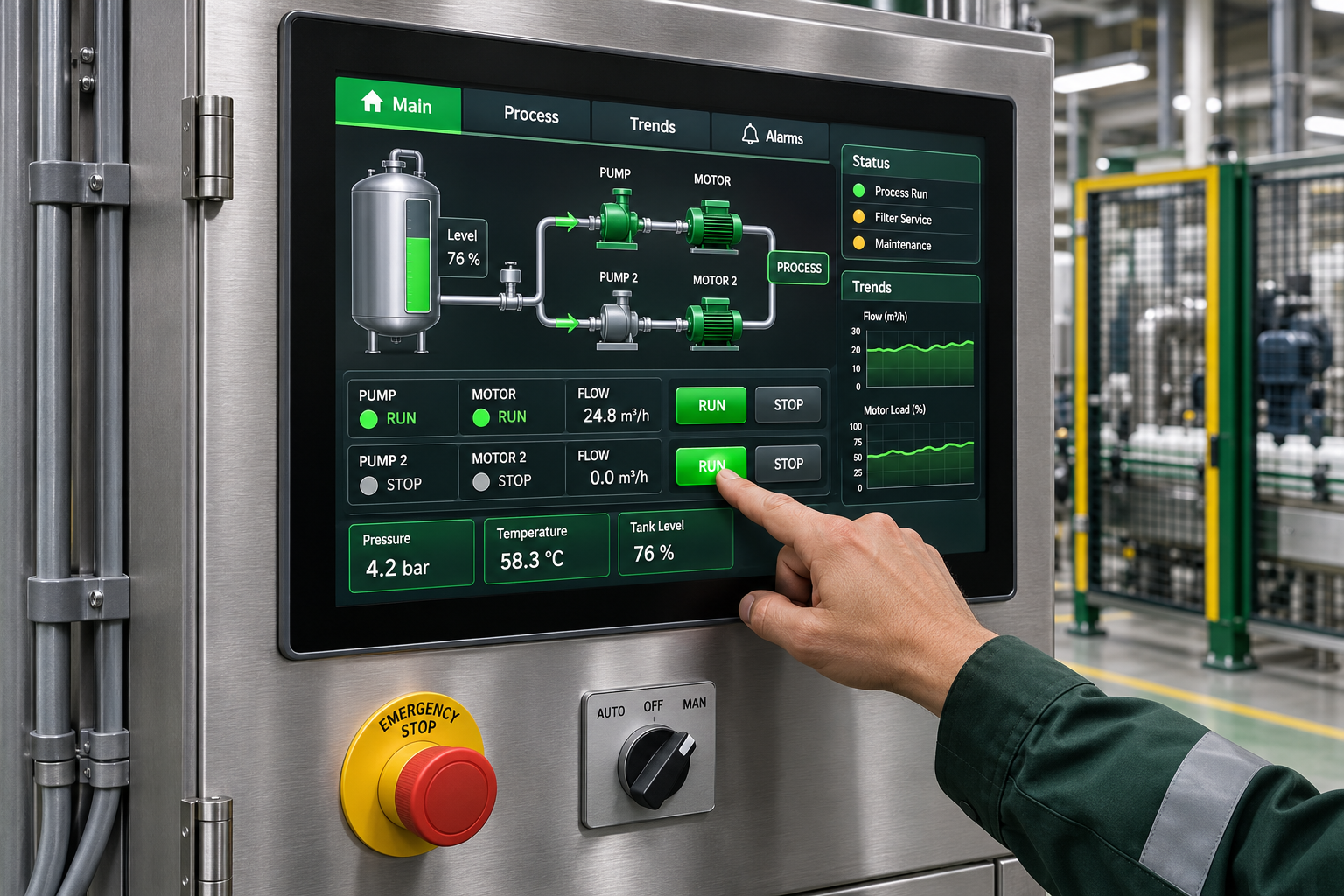
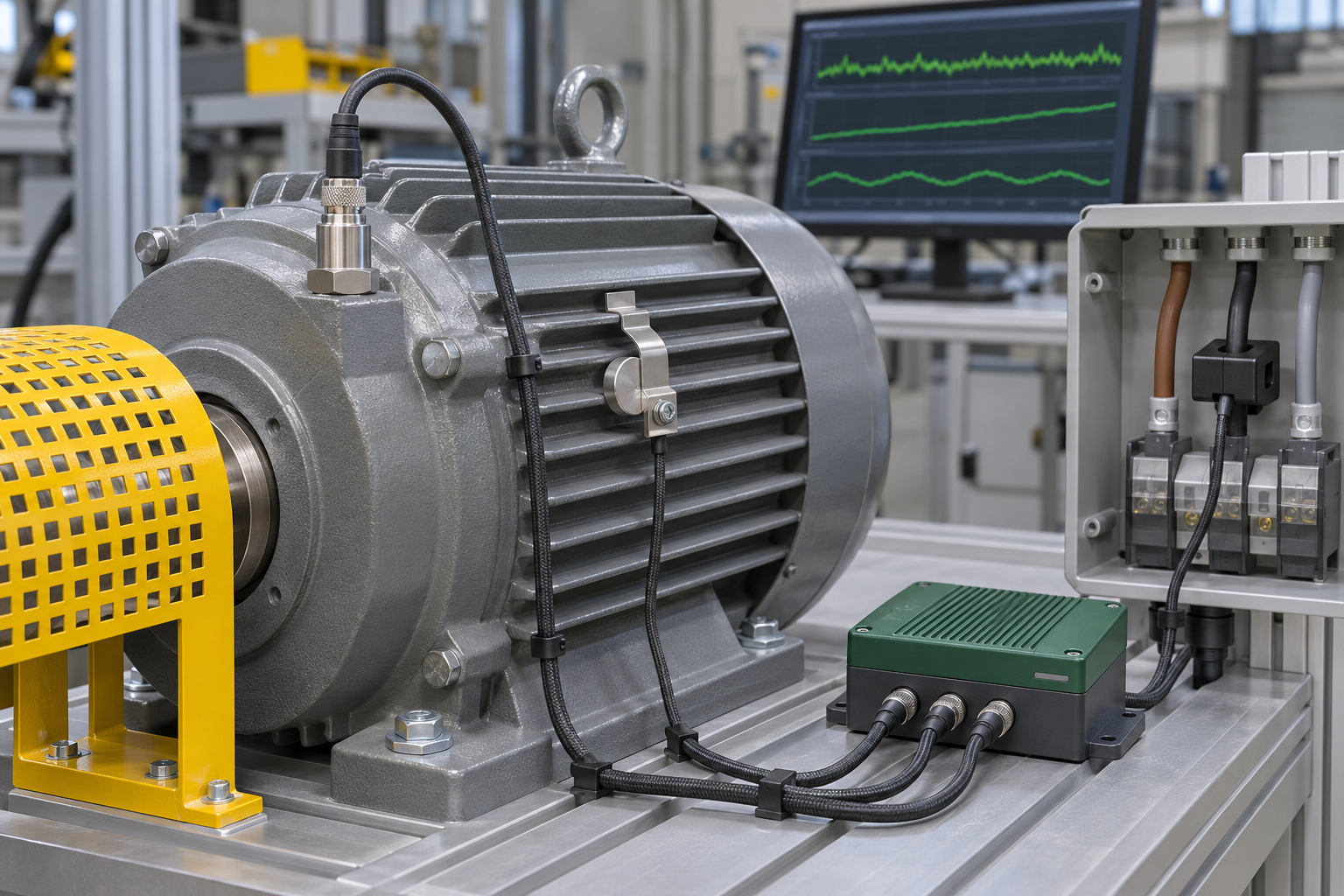
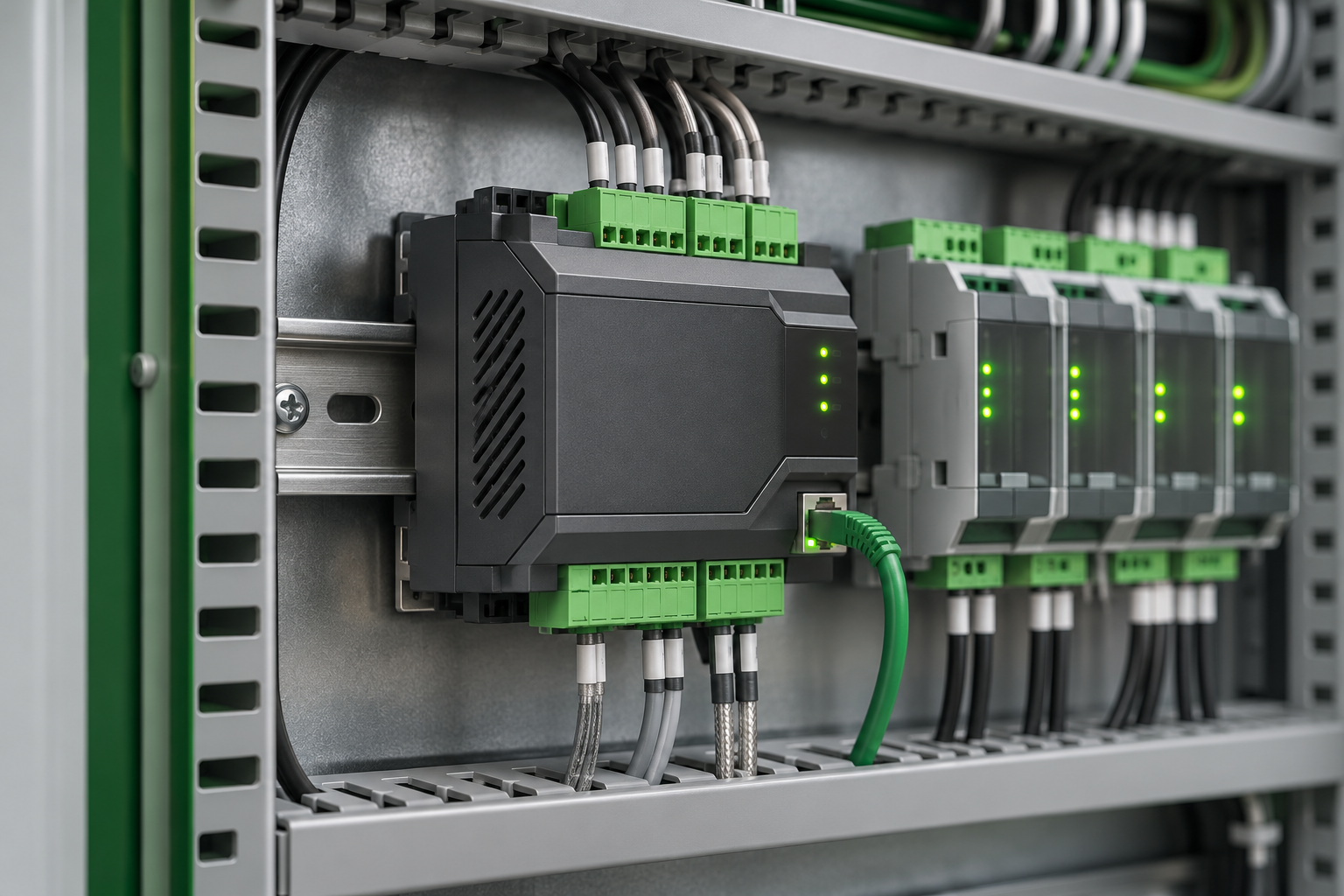
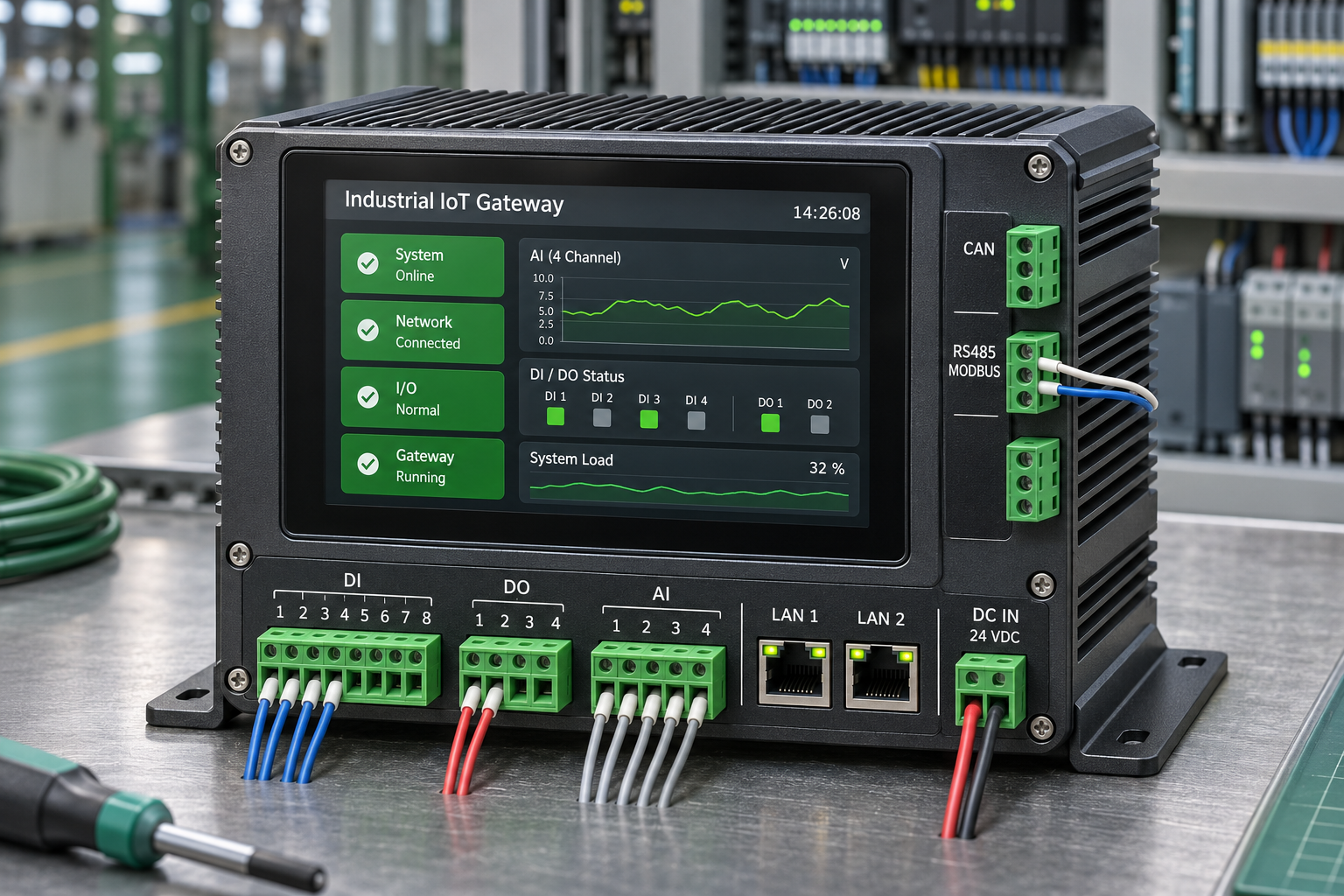
Image 1 / 5
Common problems
The problem to solve.
Machine signals and sensor data need a defined path into monitoring systems. Differences in interfaces, data formats and operating conditions can complicate integration. Measurement, alert logic and communication behavior must be considered together so that the system can distinguish operating events from device or connection faults.
Bambootronics supports the development of measurement electronics, connected I/O devices and gateways for industrial monitoring applications. The architecture is defined around the available signals, required data and receiving HMI or cloud platform. Hardware and firmware development can include signal acquisition, interface integration, data processing and alert logic within the agreed scope. For safety-related applications, monitoring and notification functions must be distinguished from protective control functions, with acceptance criteria defined accordingly.
Core capabilities
What the engineering team does.
- 01
Signal acquisition
Develop measurement and I/O interfaces around the electrical characteristics of the source signals
- 02
Field connectivity
Integrate RS485, CAN or wireless communication according to the system architecture
- 03
Gateway integration
Map field data into the formats required by the receiving HMI or cloud system
- 04
Alert handling
Define event conditions, thresholds and notification behavior within the agreed scope
- 05
Fault diagnostics
Include communication status and device fault handling in firmware requirements
- 06
Production preparation
Consider test access, firmware programming and functional verification during development
What you get
- System block diagram and signal/interface specifications
- Hardware design for measurement, connected I/O or gateway functions within scope
- Firmware for data acquisition, communication and agreed alert logic
- Protocol documentation and HMI or cloud integration instructions
- Prototypes with agreed functional test results
- Design files and production preparation documentation as defined in the contract
Information
- System architecture
- Sensors / I/O → field communication → gateway → HMI / cloud
- Field interfaces
- RS485, CAN or wireless according to the selected architecture
- Measurement
- Signal types, ranges and accuracy defined for each application
- Data integration
- Formats and protocols agreed with the receiving system
- Alerts
- Thresholds, event logic and delivery behavior defined within scope
- Power and protection
- Selected according to source signals and operating conditions
- Safety-related functions
- Requirements, validation and responsibilities defined separately
Delivery process
Next steps.
- 1
Define the monitoring objective, source signals and intended role of alerts
- 2
Review electrical interfaces, operating conditions and receiving-system requirements
- 3
Develop the hardware and firmware architecture with clear integration boundaries
- 4
Build prototypes and test measurement, communication and fault behavior
- 5
Refine the design and prepare the agreed pilot or production handover package
Before you start
Frequently asked questions.
Right for your project?
Send a few lines about your application and quantity. Bambootronics replies with clarifying questions and a suitable configuration direction.