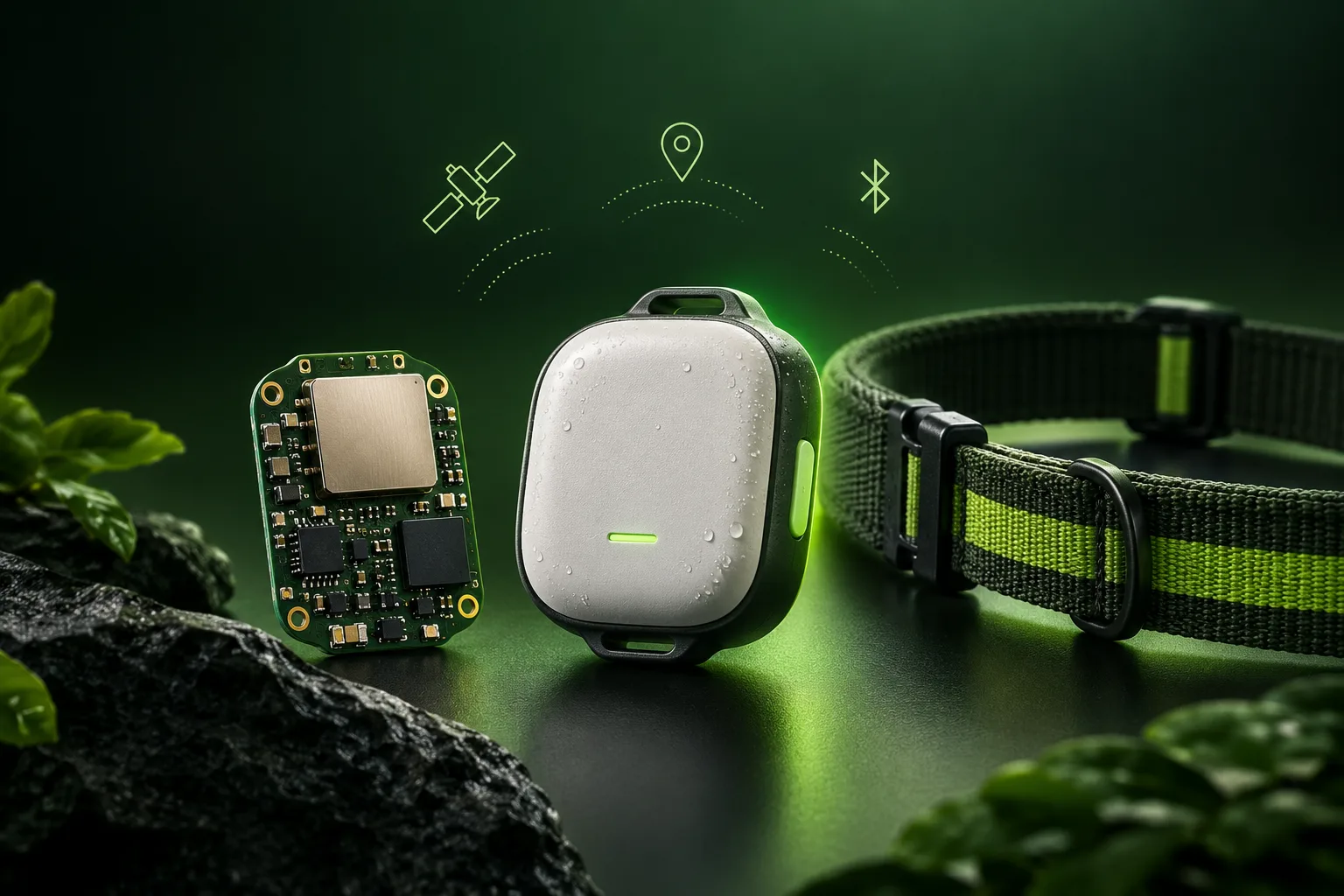
Device · Smart Sensors
Smart Sensors
One sensor platform, many applications: choose the measurement, connectivity and power source that fit your site.
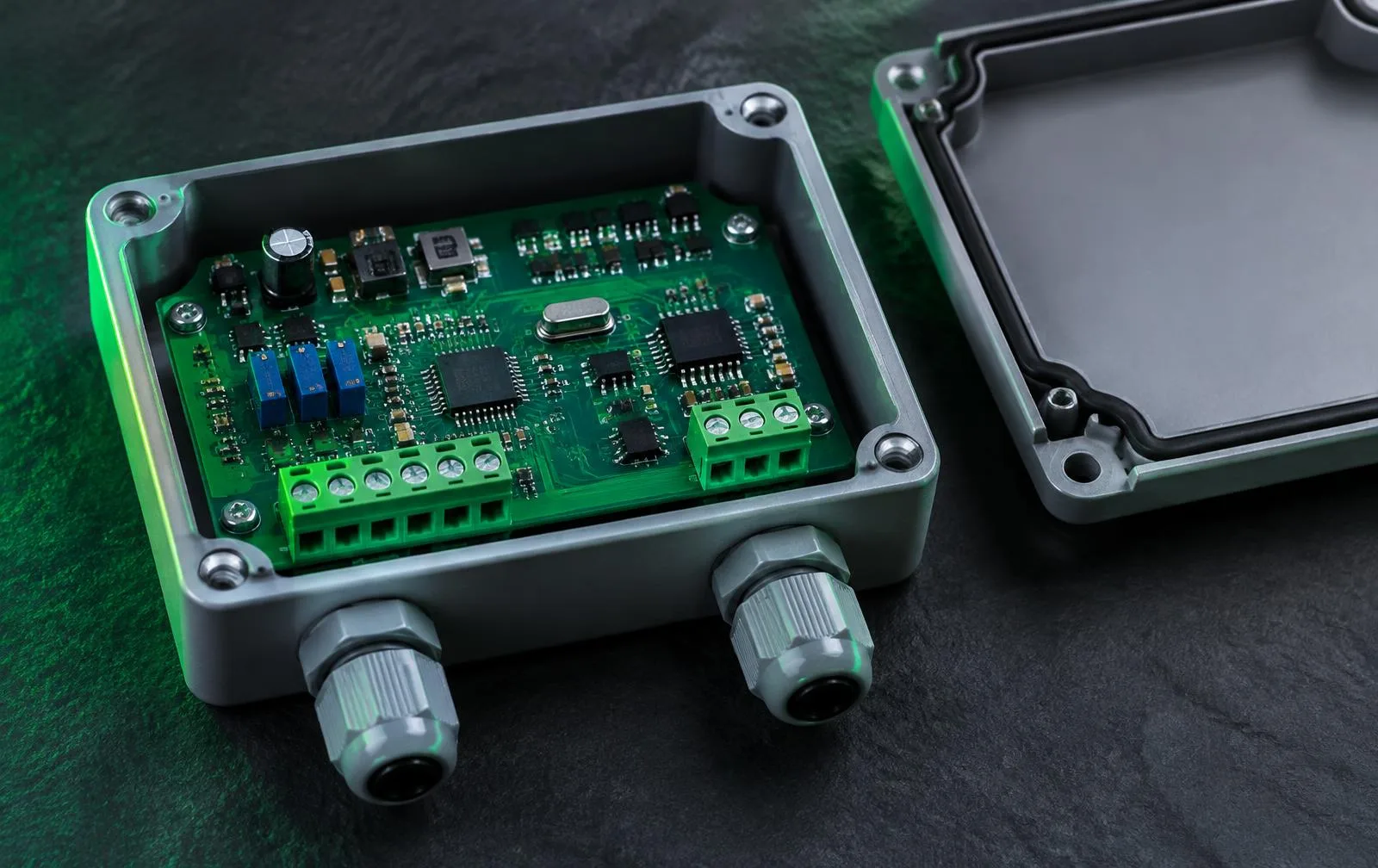
Image 1 / 2
Why it's hard
Working in the lab isn't enough.
Sensor products fail when signal processing, calibration, installation and communication are developed in isolation. Design must account for the actual sensor, wiring, interference, power, alarm behavior and maintenance procedures.
Existing platform directions
Start from an existing platform.
- 01
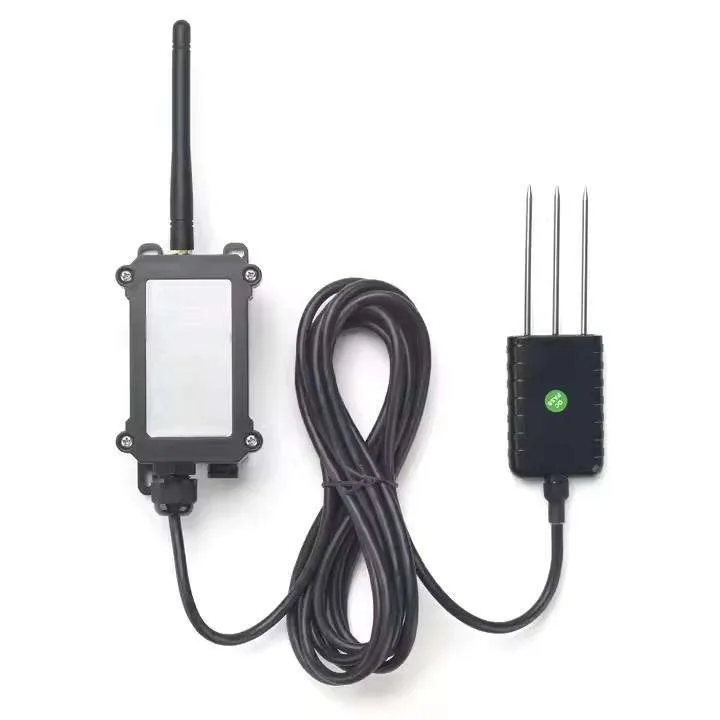
Soil sensors
moisture, temperature, EC, NPK
- 02
Air sensors
temperature & humidity, CO2, PM2.5, noise, light (lux)
- 03
Water sensors
level, pH, water temperature
- 04
Connected smoke detectors
RF, LoRa and RS485/Modbus variants
- 05
Industrial sensors
power, CT, vibration and specialized measurement
Customizable
- Measurement range, accuracy and calibration method
- Alarm logic and local indicators
- Wireless or wired communication
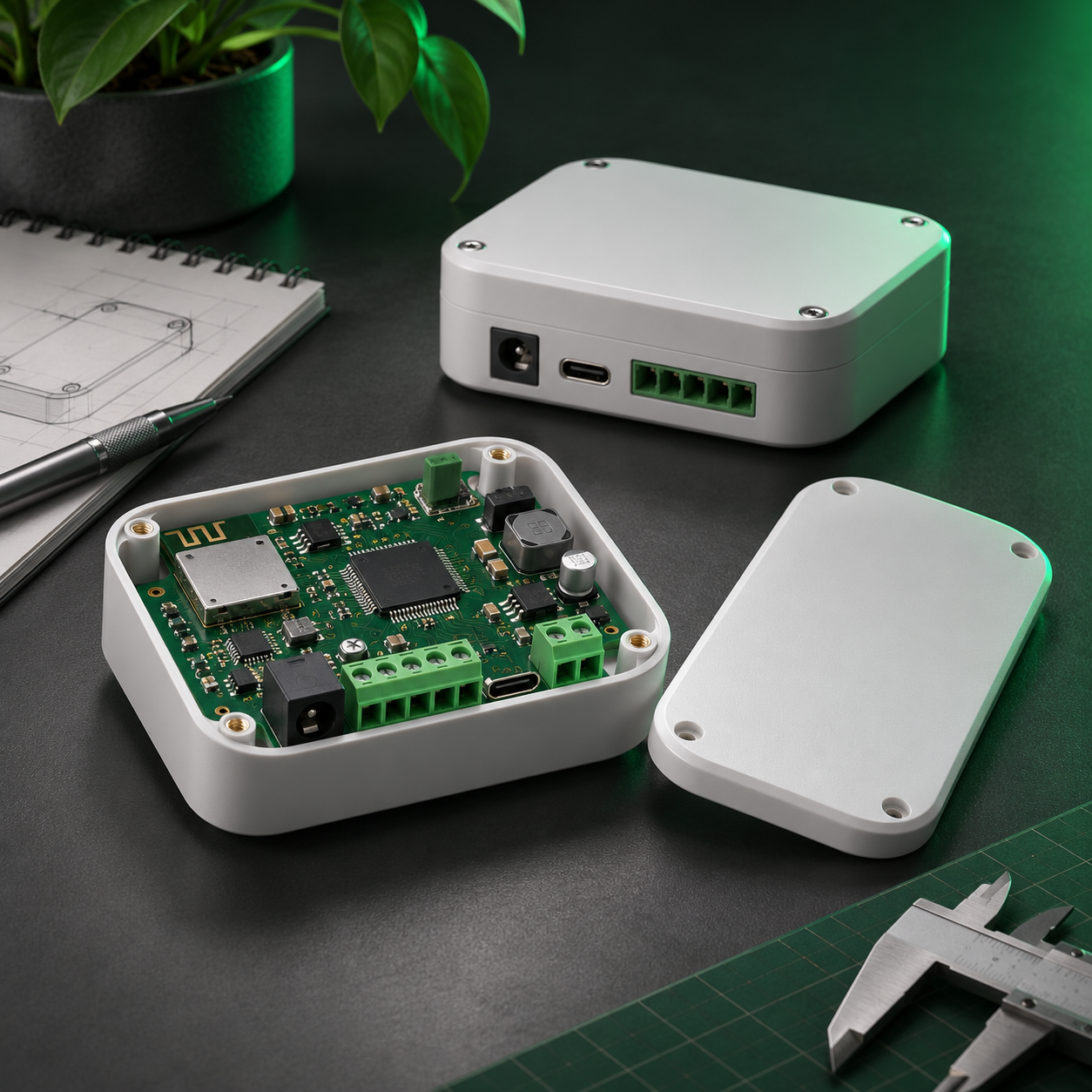
- Mechanical sampling path and enclosure
- Customer register maps and cloud payloads
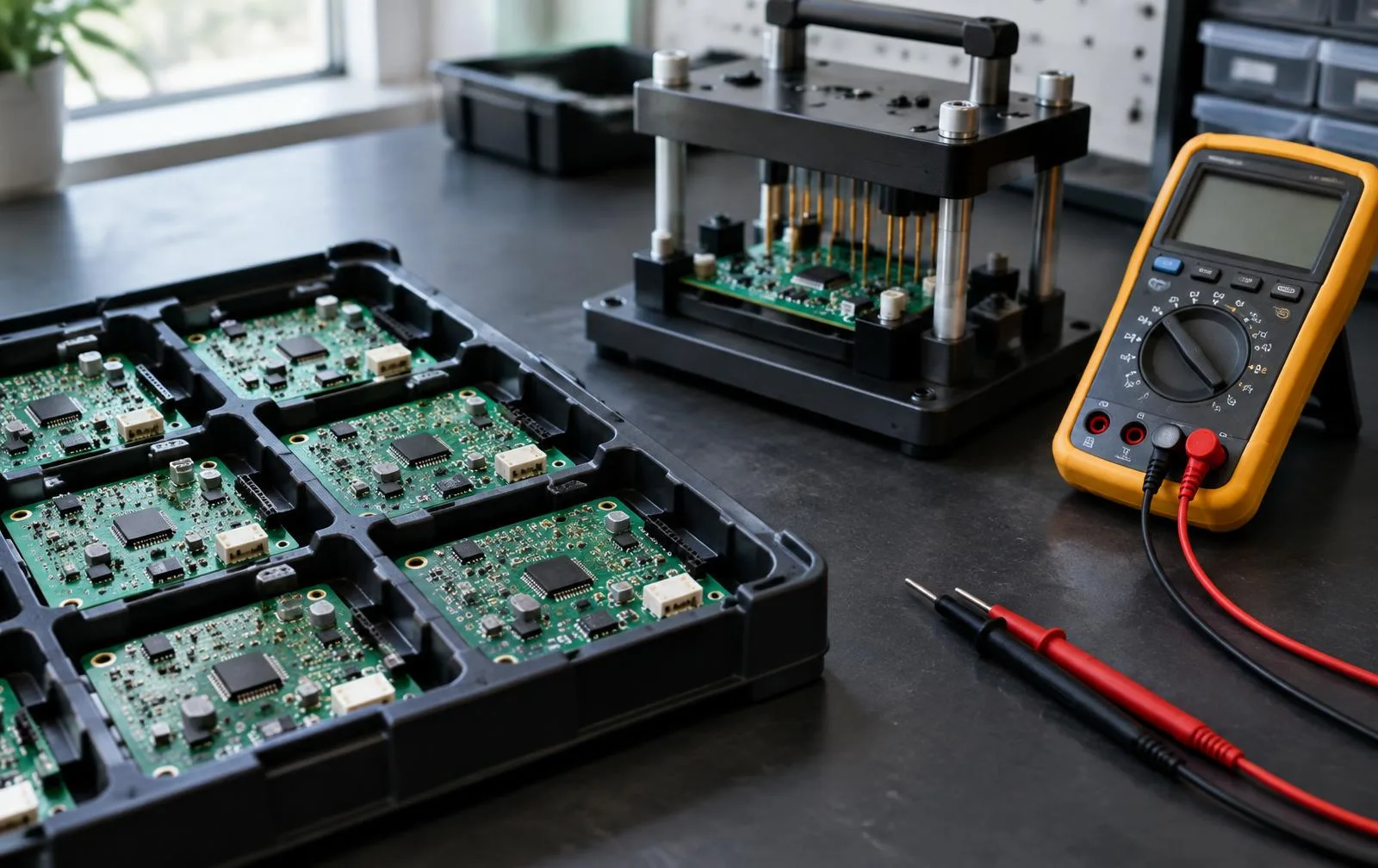
- Reliability testing and production calibration fixtures
Architecture & specifications
- Connectivity
- Wi-Fi, BLE, Thread, LoRa/LoRaWAN, Sub-GHz RF, 4G
- Wired
- RS485/Modbus, 4–20 mA, SDI-12
- Processing
- Low-power MCU, alarm state machine, event memory
- Power
- Battery, solar or 12–24 V
- Enclosure
- IP54–IP67 options
Quotation process
Next steps.
- 1
Assess requirements and the deployment environment
- 2
Match an available SKU / configuration
- 3
Check availability
- 4
Quoted by configuration and quantity
- 5
If customization exceeds standard product capabilities, proceed to an ODM assessment
Before you start
Frequently asked questions.
Right for your project?
Send a few lines about your application and quantity. Bambootronics replies with clarifying questions and a suitable configuration direction.
Related
Supporting engineering services
Service directions to discuss, not a compatibility statement or a bundled purchase.