Services · Engineering services
Firmware & Embedded Systems
Reliable field operation starts with firmware architecture. Power management, communication, updates and fault diagnostics need to be designed in from the start.
Common problems
The problem to solve.
A prototype may work on the bench yet freeze, lose connectivity or drain its battery in deployment. Without a clear firmware architecture, recovery mechanisms and test criteria, each new feature adds integration risk.
Bambootronics develops firmware around the hardware architecture and intended use of the device. The scope is defined through core functions, fault conditions and integration interfaces, giving product teams a clear basis for development, validation and the transition to production.
Core capabilities
What the engineering team does.
- 01
MCU firmware
Development for STM32, ESP32 and Nordic nRF using an RTOS or bare-metal architecture
- 02
Embedded Linux
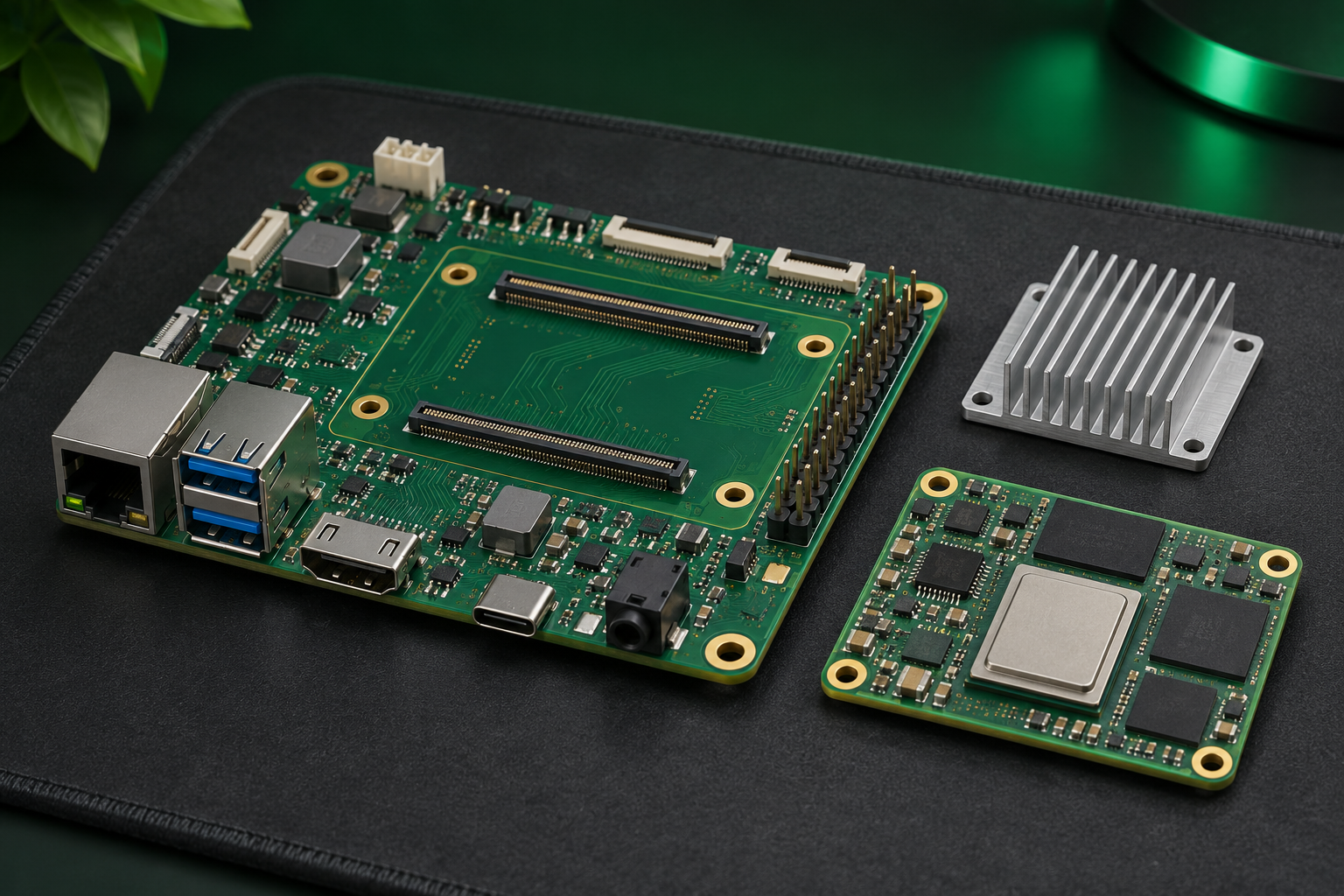
Yocto/Buildroot development, drivers and board support packages for CM4/CM5
- 03
Connectivity
Integration of BLE, Wi-Fi, LoRa, 4G/LTE-M, RS485/Modbus, CAN and MQTT
- 04
Low-power operation
Firmware optimization for battery-powered devices
- 05
Bootloaders and OTA
Update mechanisms with firmware integrity verification
- 06
Production support
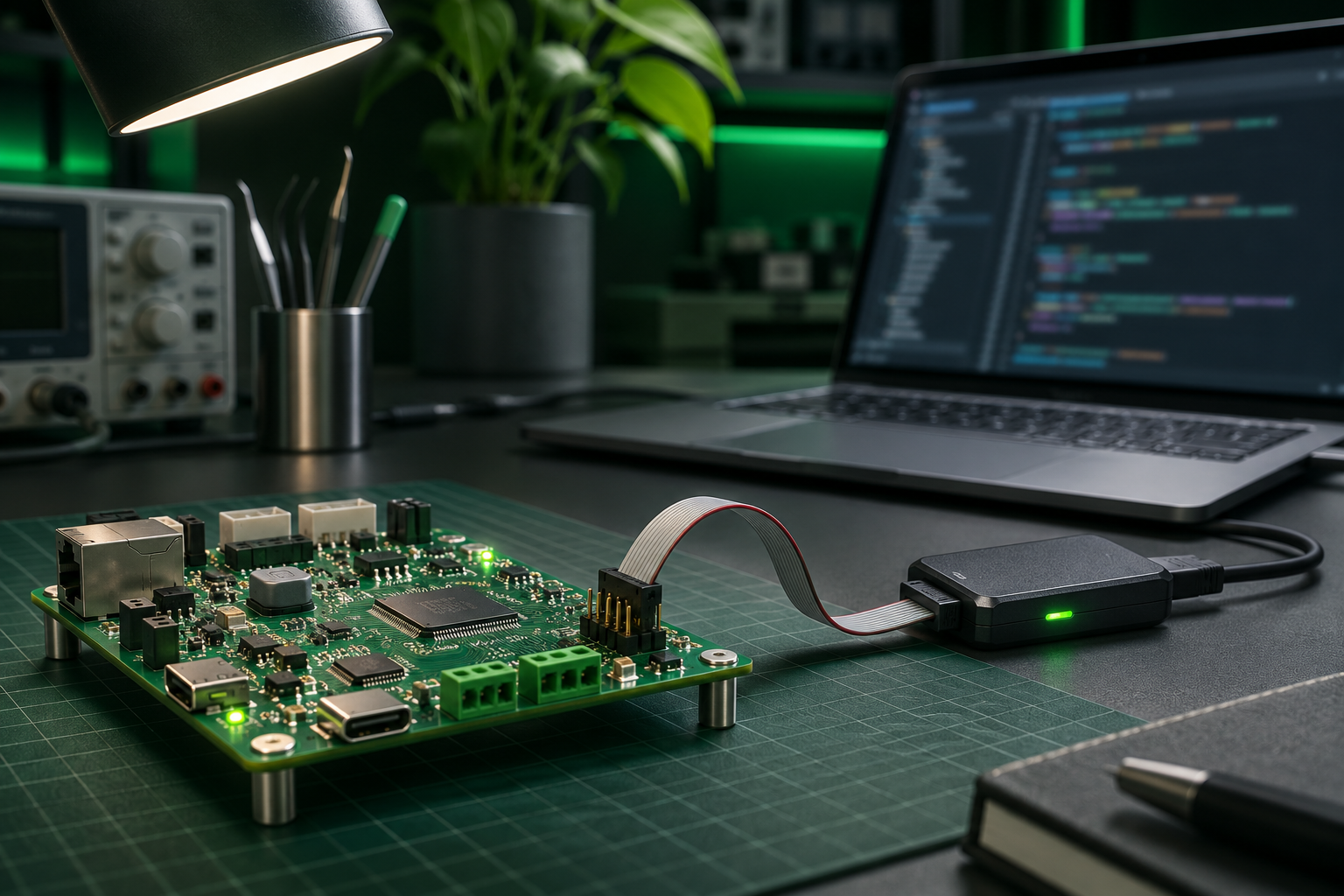
Tools for firmware programming and production testing
What you get
- Functional specifications and firmware architecture documentation within the agreed scope
- Prototype or production firmware releases aligned with acceptance milestones
- Protocol documentation and integration instructions
- Agreed test cases and test results
- Source code, build instructions and usage rights as defined in the contract
Information
- MCU platforms
- STM32, ESP32, Nordic nRF52/nRF54, RP2040
- Embedded Linux
- Yocto, Buildroot, Raspberry Pi CM4/CM5
- Wireless connectivity
- BLE, Wi-Fi, LoRa/LoRaWAN, Thread, 4G/LTE-M/NB-IoT
- Wired interfaces
- RS485/Modbus, CAN, UART, I2C, SPI
- Updates
- Bootloaders and OTA with integrity verification
Delivery process
Next steps.
- 1
Clarify functional requirements and constraints
- 2
Define the firmware architecture and select bare-metal, RTOS or Linux as appropriate
- 3
Develop against milestones and demonstrate on real hardware
- 4
Test functionality, power consumption and stability
- 5
Deliver the agreed source code and support production
Before you start
Frequently asked questions.
Right for your project?
Send a few lines about your application and quantity. Bambootronics replies with clarifying questions and a suitable configuration direction.
Related